Choosing the Right Care Home in Northumberland: A Guide

Choosing a care home is a huge decision, whether you’re looking for yourself or a loved one. There are so many factors that play into finding the best care home to suit your unique circumstances, and so many options, that it can feel daunting. That’s why we have put together this handy guide to help you choose a care home that will give you and your family the best quality of life possible.
How To Choose a Care Home
Here are some of the top things to consider when starting your search for a care home.
Location
Many people prefer a home close to where they currently live, as this can help them stay connected to their familiar surroundings and local community, especially if the care home offers regular outings. It’s also worth thinking about the type of setting you or your loved one would enjoy most, whether that’s the peacefulness of the countryside, the charm of a small town, or the energy of a larger city.
For some families, selecting a home closer to where relatives live can also be a positive way to bring everyone together and make visiting easier. Whichever location you choose, try to ensure the home is convenient for family and friends to reach, with good accessibility, wheelchair access where needed and adequate parking so visits can remain simple and stress-free.
Type of Care
When choosing a care home, it’s important to consider the types of care the home offers to ensure it can meet both current and potential future needs. Many homes provide one or a combination of residential, nursing, dementia, palliative and respite care.
Residential care is designed for people who need extra support with everyday living, such as personal care, mobility, washing, dressing and using the bathroom, while also offering social opportunities and taking care of household tasks like cooking, cleaning and laundry.
Nursing care includes all the benefits of residential care but with additional clinical support, such as medication administration, ongoing monitoring and treatment from trained medical professionals, making it suitable for people with complex or chronic health conditions or those recovering from illness or injury.
Dementia care is a specialised form of residential or nursing care that supports individuals living with the complex and varied symptoms associated with dementia. Similarly, palliative care focuses on providing comfort, symptom management and quality of life for those with serious, life-limiting conditions nearing the end of life.
If you’re unsure which type of care is most appropriate, you can arrange a care needs assessment through your local council or speak directly with your chosen care home. Homes that offer multiple types of care can also provide a helpful continuum of care, meaning your loved one may be able to remain in the same familiar environment if their needs change over time, helping to minimise disruption and reduce future stress.
Facilites
The facilities and amenities a care home offers can have a huge impact on daily life for residents. Maintaining routines and continuing hobbies is vital for keeping a sense of individuality and independence in a care home. When exploring your options, it’s helpful to look a little closer at the everyday features that help make a care home feel comfortable, engaging and safe. Here are some things you might want to look out for what looking for a care home in Northumberland and beyond:
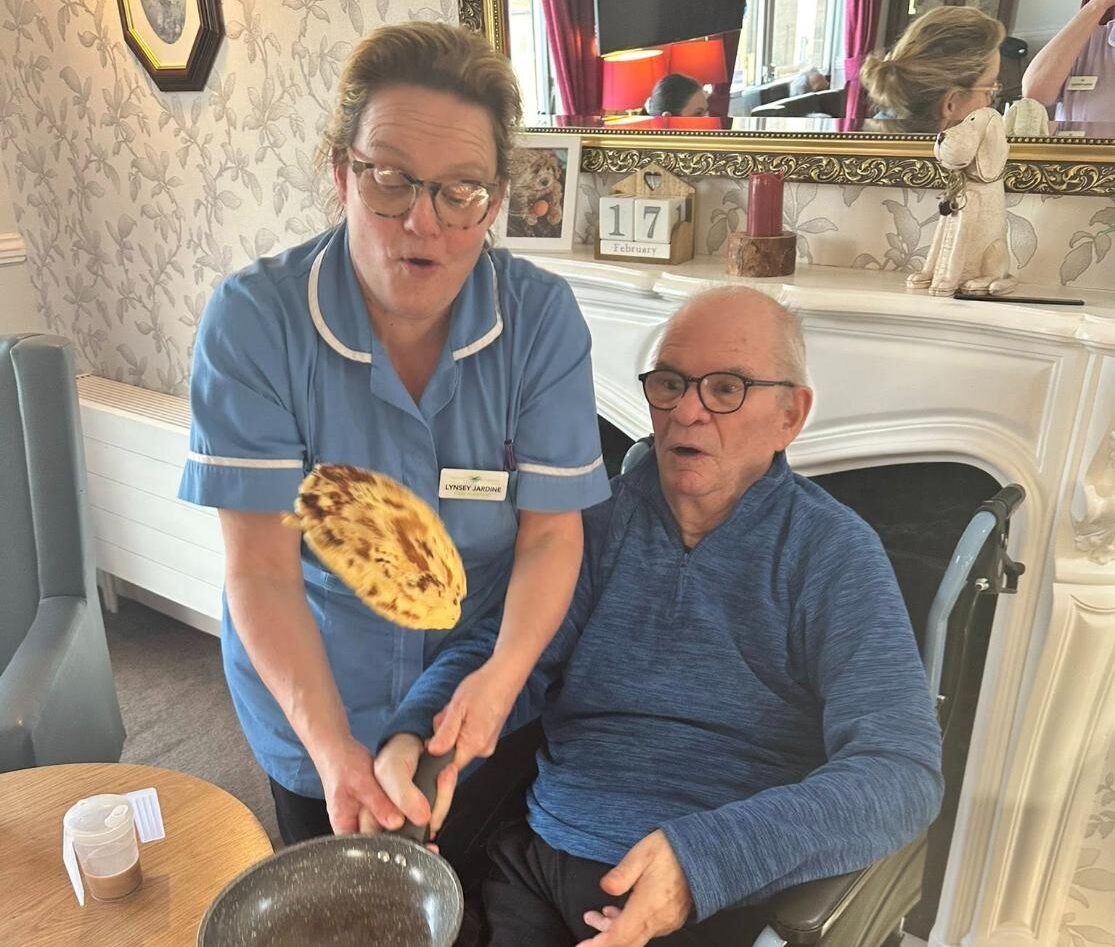
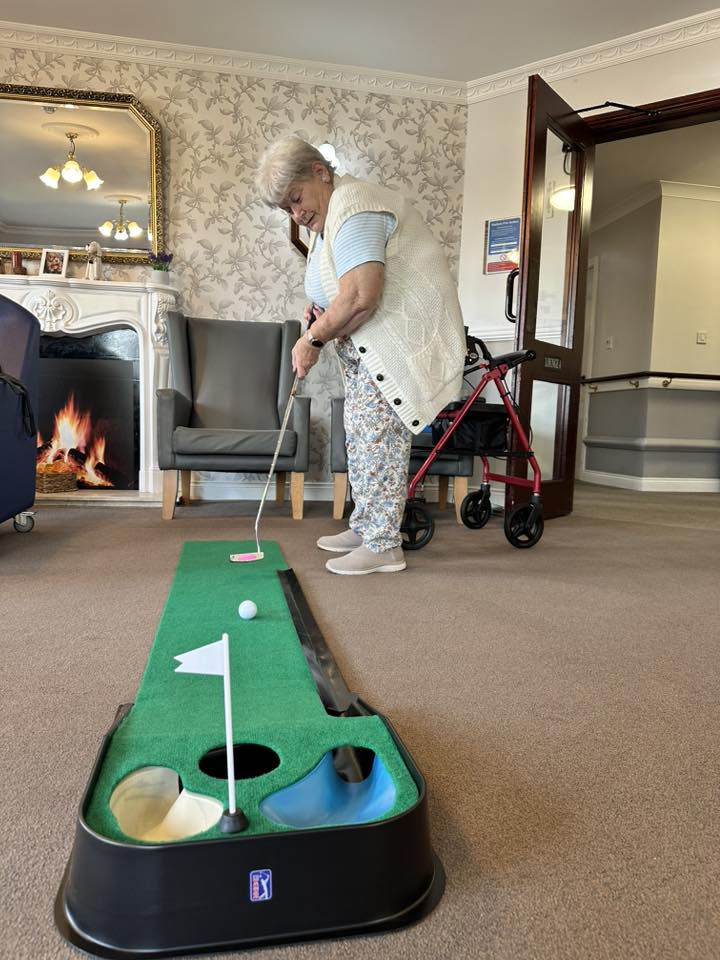
Activities and entertainment are an important part of life in a care home, so you may want to check whether there is a dedicated activities coordinator and a varied programme available. Residents should have the opportunity to continue hobbies they already enjoy as well as try new ones, with activities thoughtfully adapted so everyone can take part if they wish, regardless of their abilities. This kind of mental and social stimulation can be especially beneficial for maintaining cognitive function, particularly for people living with dementia.
Mealtimes are another key part of the day, so it’s important that residents are offered choice and that their tastes and preferences are listened to when menus are created. They should also be able to choose where they eat, with support available when needed while still encouraging independence.
Outdoor space can also make a real difference, so it’s worth checking whether the home has a secure, accessible garden that residents can enjoy, particularly if spending time outdoors is important to your loved one. Some homes also arrange outings into the local community, which can provide a refreshing change of scenery and help residents stay connected to the area they know.
Finally, safety and security are essential considerations. Look for features such as a monitored reception area, appropriate locks on windows and doors, discreet cameras where necessary, and a thoughtfully designed environment with handrails, accessible bathrooms, uncluttered walkways to reduce the risk of falls, and a 24-hour emergency call system. These measures help ensure your loved one is safe while giving the whole family valuable peace of mind.
Reviews & Inspections
When choosing a care home, it’s important to check how the home is monitored and reviewed. In England, care homes are inspected by the Care Quality Commission (CQC), the independent body that assesses the quality and safety of care facilities, so looking at their reports can give you a clear picture of standards. It’s also useful to explore websites like carehome.co.uk, which feature verified reviews from residents and their families, offering insight into day-to-day experiences and helping you understand how well the home is trusted by the people who know it best.
Observe and Talk to People
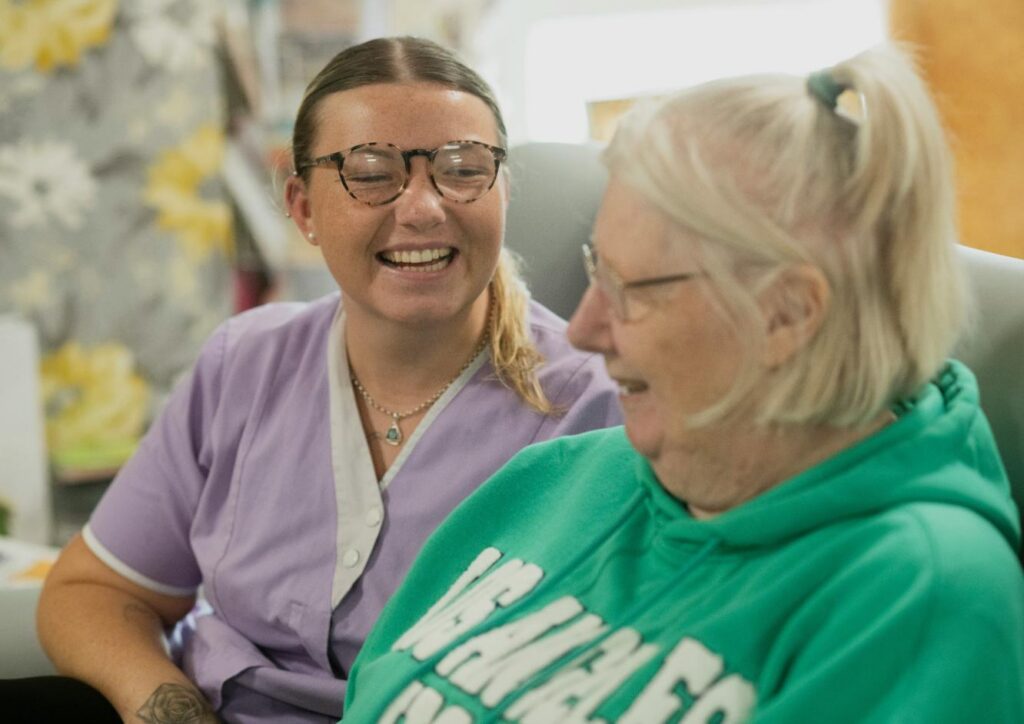
Spending time observing the environment and talking to people can give invaluable insight into a care home. Speak with staff, and if possible, current residents and their families to hear firsthand about their experiences. During your visit, take the time to watch how staff interact with residents, high-quality care means they are treated with patience, respect, and empathy.
Staff should be attentive, professional, and properly trained in areas such as health and safety, dementia care, and the latest care techniques, holding relevant qualifications. Even if a home looks luxurious, the most important factor is that fundamental, compassionate care is consistently delivered. Ask about policies for family contact to ensure you’ll be kept updated on your loved one’s wellbeing. Pay attention to first impressions: are the buildings and grounds well-maintained, clean, and smelling fresh? Does the home feel welcoming and homely? Trust your instincts; sometimes the feel of a place can tell you more than anything else.
Finally, observe whether staff encourage residents’ independence, offering help only when necessary or requested, and always prioritising safety and dignity.
Respite Trail Stays
If a home offers respite care stays, these can be a great way to find out first-hand what life is like inside the home, without the commitment to jumping in full-time straight away.
Questions To Ask a Care Home
As well as considering the factors we’ve already mentioned, here are some questions you may want to ask yourself or a staff member when visit a home:
Is there a nurse or senior member of staff on-site at all times?
How is the care personalised for each resident?
How often are care plans reviewed updated?
What is the ratio of staff to residents?
Are all staff trained with the appropriate qualifications?
Do staff have experience caring for my particular health conditions?
Are residents and their families involved with decisions about care?
Is the home linked with a particular GP practice, and can I stay with my GP if I prefer?
Do health staff such as opticians and chiropodists visit regularly?
Are there travel arrangements for hospital visits?
Can residents bring their own furniture and belongings to make their bedroom feel like home?
Can residents choose their own routine (such as bed times and daily activities) and what they wear each day?
Do residents have a private bathroom or en-suite?
Are their visiting hours or any other restrictions of visitors?
Can you stay for a trail period?
Don’t forget to also speak to the home about financing options including what’s included in the fees, whether they may increase and how they are collected.
Care Homes in Northumberland
If you’re looking for an exceptional care home in Northumberland, Hillside Lodge offers high-quality residential, nursing, palliative and dementia care, as well as short-term respite care stays for you to get a feel for our welcoming home. Our compassionate and friendly team is dedicated to creating a safe and supportive environment for all our residents, ensuring the highest standards of wellbeing and peace of mind for families. If you’d like to chat to our care experts about how our holistic approach can support you, please get in touch today and book a tour. We can’t wait to meet you.