Recognising When A Dementia Care Home Might Be The Right Step

For families caring for someone who has dementia it can be a hard time to navigate, and there is a lot of information out there, so we have put together a helpful blog to assist you along the way.
Dementia can change gradually, which makes it hard to know exactly when a move into a care home could be the safest and kindest option for your loved one. Families may live with worry and guilt for months, feeling torn between wanting to honour a loved one’s wishes and doing the best thing for their safety. Focusing specifically on how dementia affects day to day life can help you recognise the signs that specialist dementia care may now be needed and how you and your loved one can be supported.
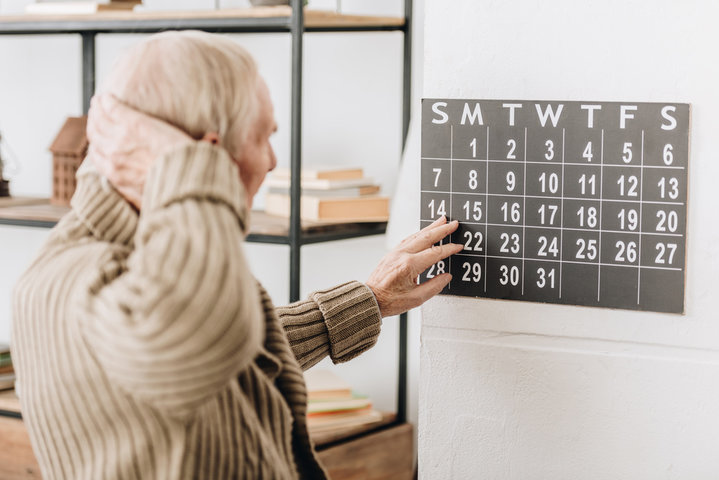

Caring for someone with dementia at home can be a rollacoaster of emotions, as the person you love or are caring for will have changed and continues to change. When challenges begin to affect safety, health and quality of life, a dementia care home can offer structured routines, specialist support and a calmer environment. Seeing the decision as a change in care rather than a failure can help you and your loved one approach it more gently.
Changes In Personal Care
Dementia often affects a person’s ability to manage personal care, even if they have always taken pride in their appearance and been attentive to personal hygiene. You might notice your loved one is wearing the same clothes all the time, dressing inappropriately for the weather or day and night, or struggling to manage zippers or buttons. They may insist they have had a shower when it is clear they have not, or forget the steps involved in washing and grooming.
These changes are frequently linked to confusion, sensory overload and difficulty with sequencing tasks. What once felt automatic and a part of daily life now requires concentration and memory that dementia gradually erodes. If reassurance, prompts and visiting carers are no longer enough to help your loved one stay clean, comfortable and dignified, a dementia care home where staff can offer sensitive, unhurried support may be the next step.
Food Changes Or Hydration Concerns
Dementia can disrupt appetite, taste, thirst and the ability to prepare and eat food safely. You may see uneaten meals left out, scorched pans on the hob, or perhaps food that has not been cooked properly. Some people forget they have eaten and prepare several small meals and leave them on the side untouched, while others lose interest in food and begin to skip meals altogether.
Weight loss, dehydration and repeated urine infections can be signs that your loved one is not eating and drinking enough, even if they insist they are fine. If you are already helping them with this and you are seeing a decline or facing challenges then it's time to seek support. Difficulties using cutlery, swallowing safely or recognising different foods can add to the problem. In a dementia care home, staff can monitor intake and adapt meals to individual preferences and abilities and gently encourage regular eating and drinking, which can significantly improve health and energy. All of this is monitored continuously in a care home, easing the feeling of worry or guilt from loved ones.
Wandering & Confusion
As dementia progresses a person’s sense of time, place and orientation can become increasingly fragile. You may notice your loved one going out at unusual times, becoming lost on familiar routes that they have taken all their lives or being brought home by neighbours or the police. Doors might be left wide open, or locks may be used in ways that trap them in or out of the house. They may also become frightened in their own home because it no longer feels familiar and they might not recognise it.
This confusion can lead to serious safety concerns, including exposure to cold for long periods of time, traffic risks and vulnerability to exploitation by undesirables. Technology such as camera door bells and GPS trackers can help for a while, but when episodes of wandering or getting lost become frequent, the risk can become too great for a family to manage alone. A dementia care home with secure outdoor spaces and supervised freedom can offer both safety and a sense of independence.


Changes To Behaviour & Distress At Nightime
Dementia can cause changes in personality and behaviour that are difficult to witness and manage at home. Your loved one may become more agitated, suspicious of you or irritable, particularly in the late afternoon and evening. They might accuse family members of stealing, become distressed by hallucinations or delusions, or pace the house for long periods. These behaviours are usually expressions of fear, confusion or unmet needs rather than deliberate actions.
Sleep patterns often change too, with some people awake for much of the night, calling out, wandering around the house or attempting to go out. This can exhaust family carers who are trying to keep everyone safe. In care homes such as Hillside Lodge, staff are awake round the clock and trained to respond calmly to these behaviours, use reassurance and distraction techniques and adjust routines in ways that are very hard to sustain in a family home.
Frequent Hospital Admissions
Frequent crises are a strong signal that the current level of support is no longer enough. These might include repeated falls, infections such as UTI from dehydration, episodes of severe confusion or delirium, or calls to emergency services. Each crisis can lead to a stay in hospital, and people with dementia often become more confused and unsettled in hospital settings, which can then further reduce their independence once they return home.
If you find that you are constantly on edge, waiting for the next emergency, it can be a sign that your loved one needs a more consistent level of supervision and care. A dementia specialist care home can offer proactive monitoring, early response to changes in health and close communication with healthcare professionals, which can reduce the need for emergency interventions and help stabilise your loved one’s condition.
When Home Adaptations Are Not Enough
Many families invest a great deal of effort in adapting the home environment to support dementia. You might already have grab rails, stairlifts, memory aids, labels on cupboards and simplified routines. Community support such as day centres, respite breaks and home care visits can also help maintain independence for as long as possible.
However, there can come a point where even with equipment and support, the combination of cognitive decline, physical frailty and emotional distress makes living at home increasingly unsafe and isolating. If every room now represents a potential risk, and if you feel that you are constantly firefighting problems, it may be kinder and safer to explore a specialist dementia care setting where the whole environment is designed with these needs in mind.
Talking About A Move To A Care Home
Raising the idea of a dementia care home with your loved one can feel daunting, especially if they have previously said they never wanted to move. Choosing the right moment, using simple language and focusing on their comfort and safety rather than on their difficulties can help the conversation feel less threatening. It may also help to frame the move as a way to get more help, more company and more support, rather than as a permanent loss of home.
Because dementia affects insight, your loved one may not fully understand the reasons for the move or may forget conversations soon after they happen. Instead of aiming for complete agreement, it can sometimes be more realistic to aim for a sense that they feel listened to, reassured and involved as far as possible. Visiting potential homes together when they are having a relatively good day can help them form positive impressions and reduce fear.
If you recognise some of these signs in someone you care about, now is the time to explore your options rather than waiting for a crisis. Reach out today to discuss specialist dementia care, ask questions and arrange a visit, so you can see first hand how a supportive, understanding environment could improve daily life.