What’s the Difference Between Residential & Nursing Care?

Choosing the right care home for a loved one is a significant decision that involves weighing many factors. Understanding the differences between residential and nursing care can help families make an informed choice that best meets their loved one’s health needs and lifestyle preferences. In this blog, we explore what each type of care offers, how they differ and guide you through the decision-making process with clarity and compassion.
What Is Residential Care?
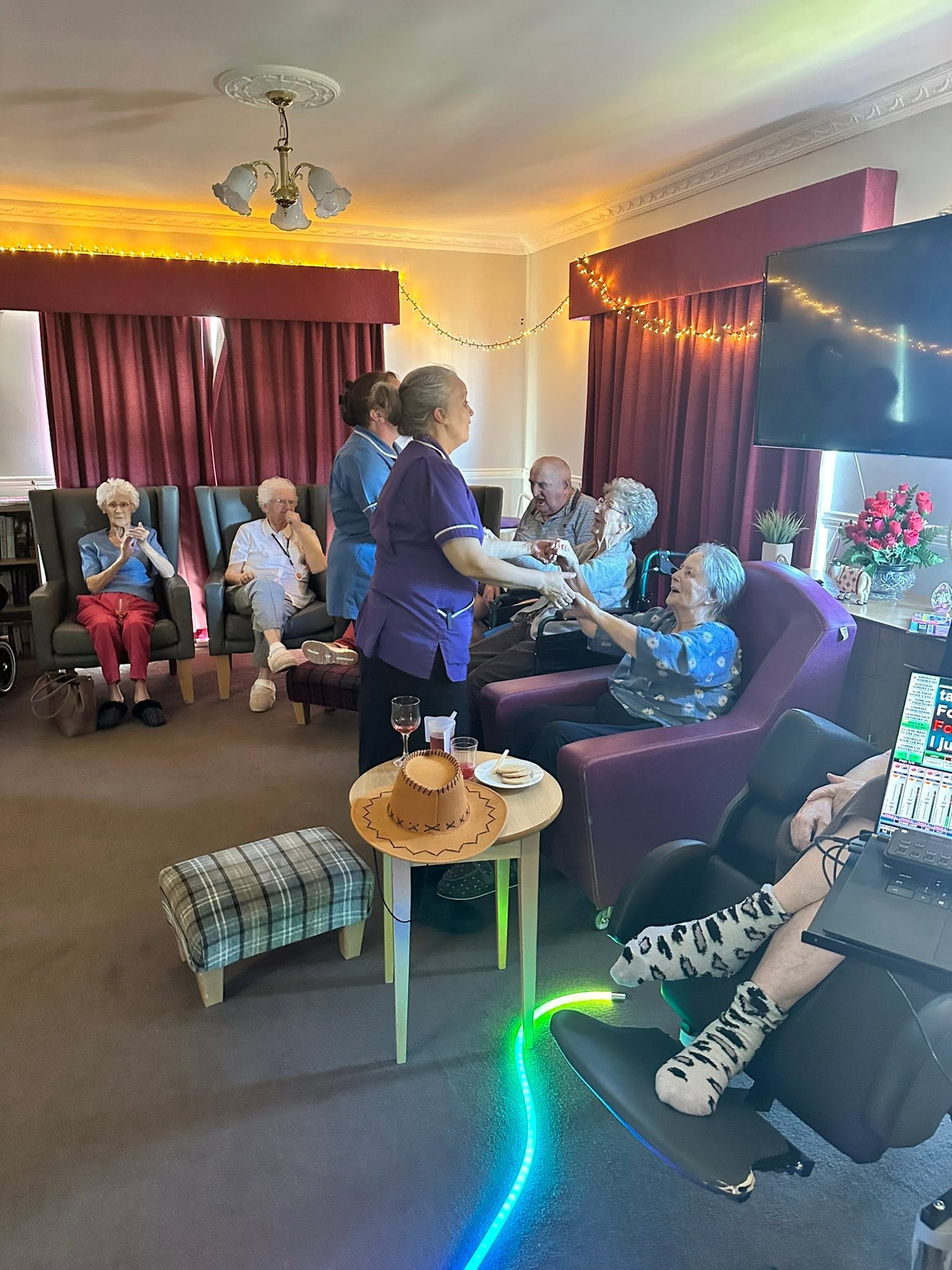
Residential care is designed for older adults who are unable to live independently but do not require frequent medical treatment or around-the-clock nursing support. This is typically provided in a residential care home. In these settings, residents receive help with everyday tasks such as personal care, meal preparation and managing day-to-day activities. The care is delivered by qualified care assistants who specialise in supporting older adults with their routine needs. While care assistants are not nurses, they are highly skilled at ensuring residents live in a safe, comfortable environment. Residential care homes also provide access to shared communal areas including lounges, gardens and dining rooms.
One of the key benefits of residential care is the balance it offers between privacy and social interaction. Many residents enjoy having their own personal space while also benefiting from the company of others. This often includes a wide variety of activities, from group exercises to arts and crafts. These social opportunities help reduce feelings of loneliness and promote both mental and physical engagement.



What Is Nursing Care?
Nursing care is delivered in nursing homes (and multicare homes), which combine the supportive environment found in residential care with specialist medical services provided by qualified nurses. These homes cater to residents with complex medical conditions, severe physical disabilities, or those who need frequent medical treatments. In nursing homes, trained registered nurses are available around the clock, supported by a team of care assistants. This structure allows for a higher level of care and continuous monitoring. This support is especially important for residents who are bed-bound or have ongoing complex medical needs.
Nursing homes typically also have access to visiting healthcare professionals such as physiotherapists, doctors and occupational therapists. This comprehensive team approach ensures that residents receive holistic care tailored to their specific medical and personal requirements.
The Main Difference Between Residential & Nursing Care
The fundamental difference between residential and nursing care lies in the availability of registered nurses on site. Residential care primarily focuses on assisting residents with daily tasks and personal care needs. Nursing care homes provide all these benefits plus specialist medical care delivered by trained nurses at all times. This distinction allows nursing homes to cater to individuals facing significant health challenges who require continuous medical supervision, such as managing complex conditions or recovering from surgery. Residential care, on the other hand, supports those with fewer medical needs who still require a safe and supportive environment to live comfortably.
Residential care settings often emphasise maintaining independence while offering compassionate assistance with everyday activities like washing, dressing and meal preparation. By contrast, nursing homes have registered nurses on duty 24/7. This means they are equipped to provide clinical treatments, administer medications and respond promptly to any medical emergencies. This higher level of medical oversight ensures peace of mind for families and residents alike.
Additionally, nursing homes tend to have specialised medical equipment and tailored health plans, making them suitable for individuals who need ongoing rehabilitation or monitoring. Both care types provide warm, home-like environments and social activities, but the presence of nursing staff distinguishes the level of clinical care residents receive. Ultimately, choosing between residential and nursing care means matching the level of medical support to the specific health needs of your loved one, ensuring they receive the right care in a compassionate setting.
When To Choose Residential Care
Residential care is the best choice for individuals who do not require constant medical supervision but need help with day-to-day activities. This includes those with mobility issues or who need assistance with personal hygiene. It can also be beneficial for those who prefer a community setting that offers companionship and structured activities. Residential care emphasises maintaining independence wherever possible. Reassurance comes from the availability of trained staff who can provide support when needed.
When To Choose Nursing Care
Nursing care is typically more appropriate for elderly individuals with complex health conditions requiring regular medical attention or those with severe physical disabilities. This includes people who are bed-bound, have advanced dementia, or need ongoing treatments such as wound care, injections, or monitoring of chronic illnesses. Having registered nurses available 24 hours a day provides safety and peace of mind both for residents and their families, ensuring that health professionals can respond quickly to any changes in medical condition.
Shared Features Of Residential & Nursing Care
Despite their differences, residential and nursing care homes share many common features. Both offer warm, welcoming environments where residents can feel part of a caring community. Great care homes provide spaces for social engagement, meaningful activities and access to communal areas that enhance quality of life. The goal in both types of care is to support residents’ comfort, dignity, and overall wellbeing.
How To Decide Which Is Right For Your Loved One
Deciding between residential and nursing care depends largely on your loved one’s medical needs and level of independence. Their ability to manage daily tasks, need for medical supervision and personal preferences, should all be considered. Seeking advice from healthcare professionals and arranging a thorough needs assessment can be invaluable. This can help you make an informed choice that best supports your loved one’s health and happiness.
Making The Right Choice
Understanding the distinction between residential and nursing care helps ensure your loved one receives the appropriate level of support. While both provide safe and supportive environments, nursing care offers the critical element of continuous professional medical care. At Hillside Lodge Care Home, we recognise this decision can be overwhelming. Our experienced team is here to guide you, answer your questions and tailor care plans for your family member. By meeting the unique needs of your loved one, we can ensure comfort, safety and a high quality of life.
Take the first step today, contact us to schedule a personal tour or a consultation. Let us help you find the perfect care solution tailored to your loved one’s needs. Your family’s peace of mind is just a phone call or message away.