Types Of Care Services Offered in Care Homes

At their core, care homes offer a safe and warm environment for older people to receive whatever support they need to live happily and comfortably. However, each individual’s needs can vary greatly, which is why care homes offer several different types of care services, sometimes even under one roof. Understanding what type of care you or your loved ones needs can make looking for your ideal home much easier.
Residential Care
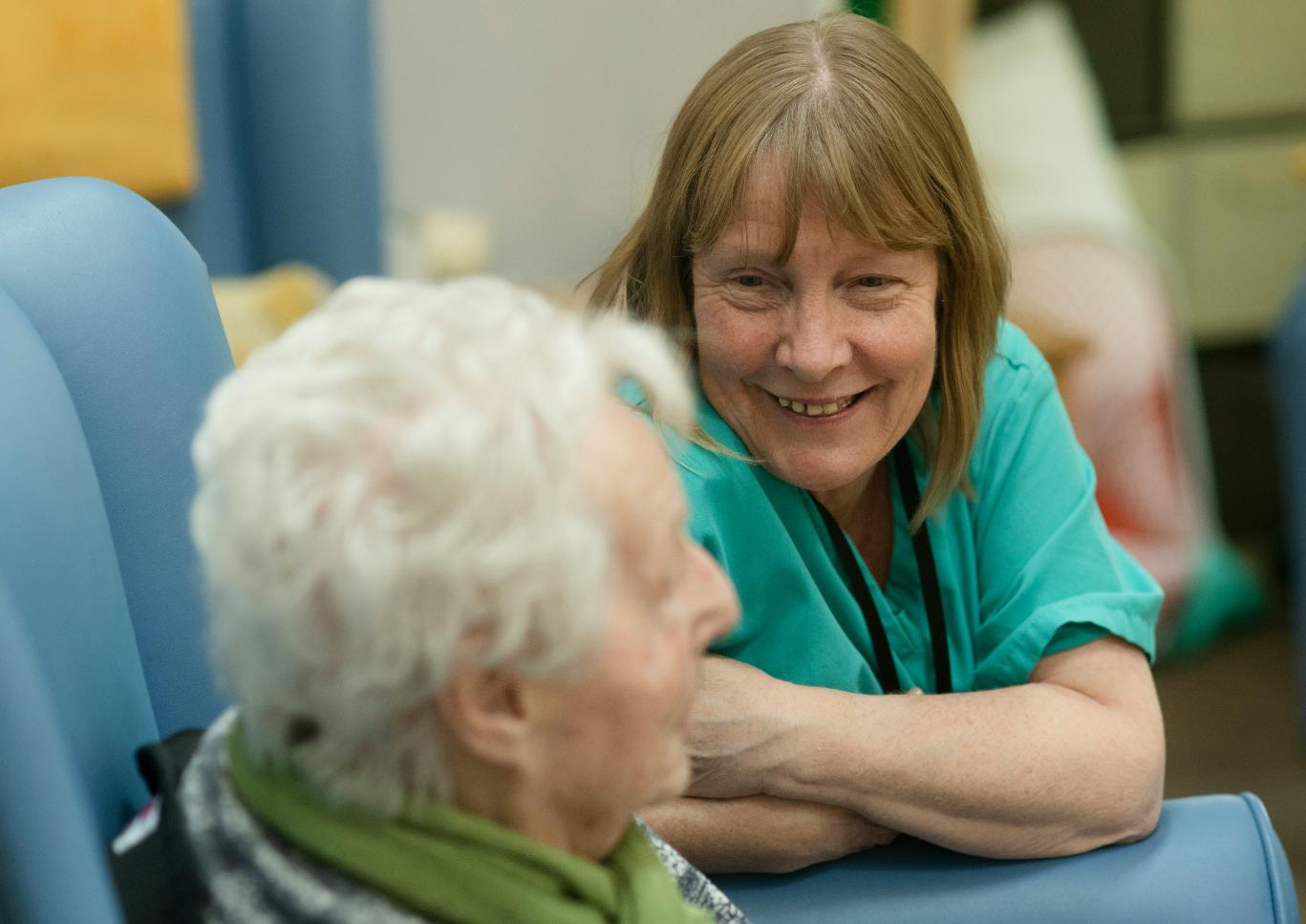
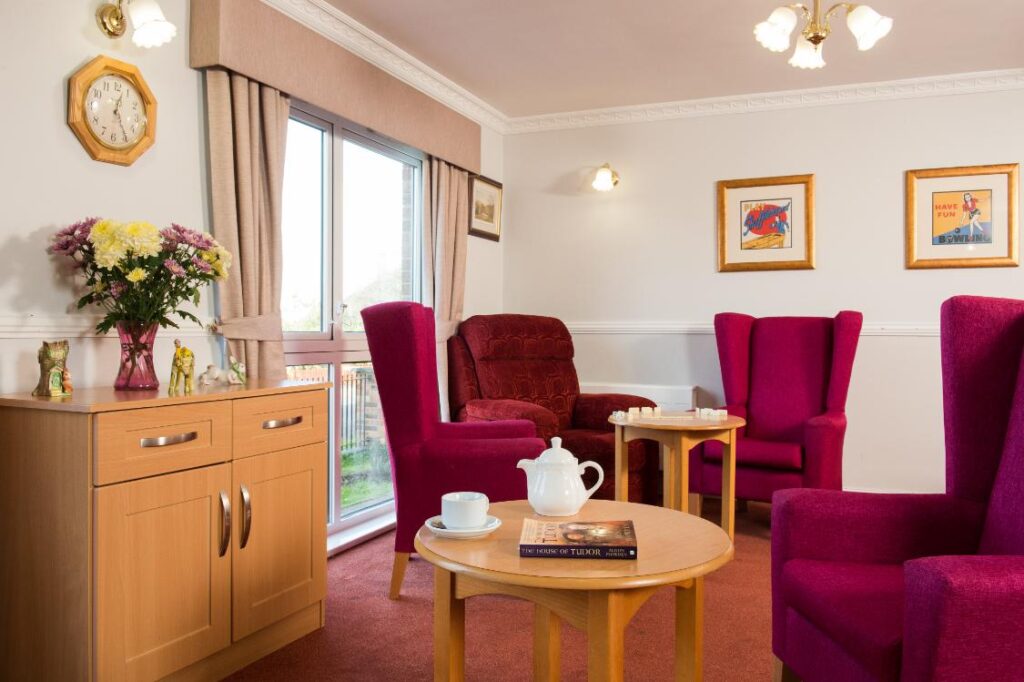
Residential care is aimed at people who are no longer able to live alone at home for whatever reason, but do not require clinical care. Those living in a residential care home can stay in a safe and warm environment, benefiting from the reassurance of 24-hour support from friendly and trained care assistants. Basic personal care is provided with dignity and respect, including helping residents use the bathroom, take medication, move around the home and assist with meals. Everyday household chores such as cooking, cleaning and laundry are also taken care of, allowing residents to focus on doing the things they enjoy.
As with any type of care, the level of support given can be adapted as a person’s needs or preferences change, and will look slightly different depending on each resident. The care assistants will get to know each individual in their care personally, as well as keeping in close contact with their loved ones.
Everyday Life in a Care Home
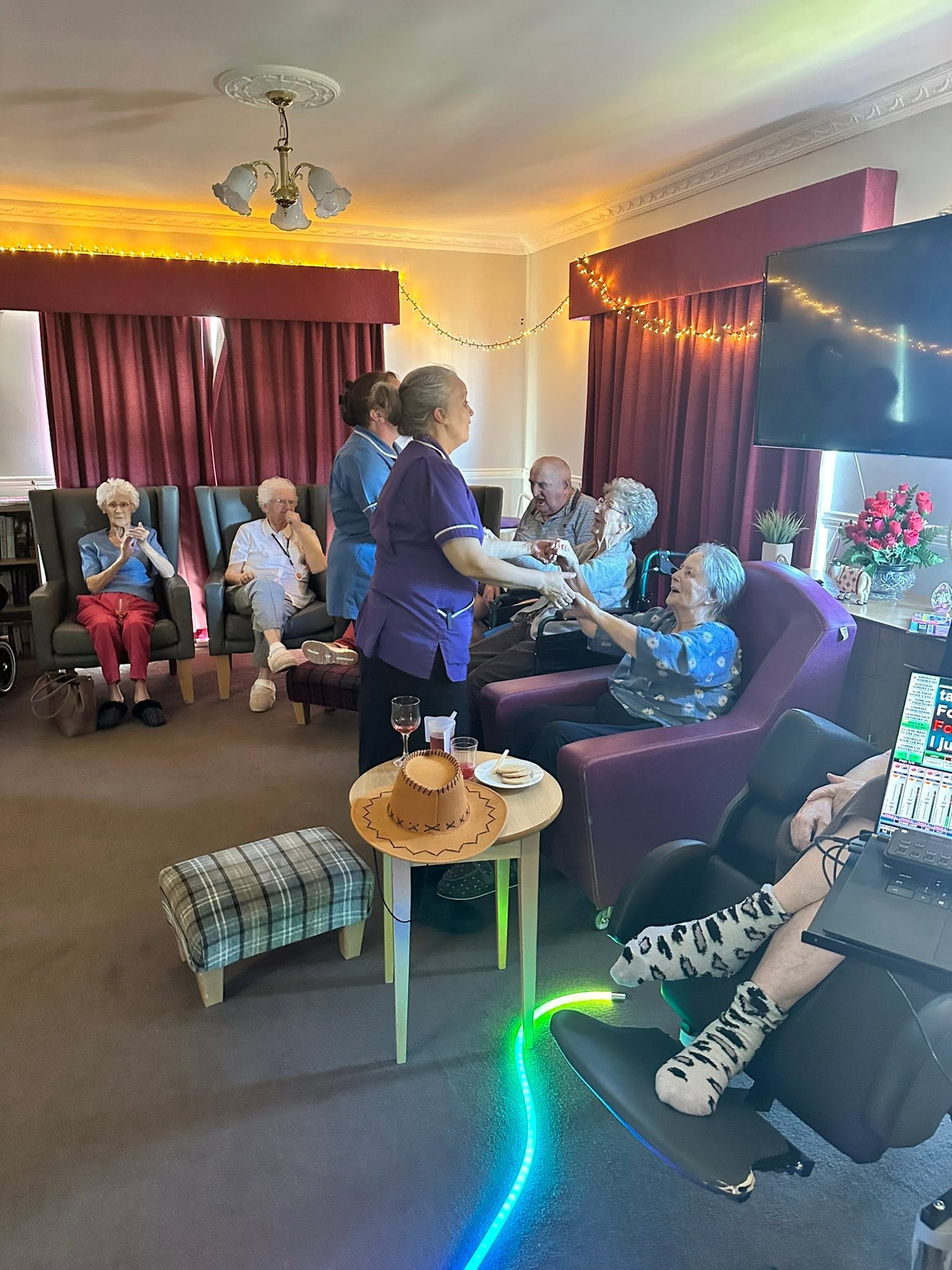
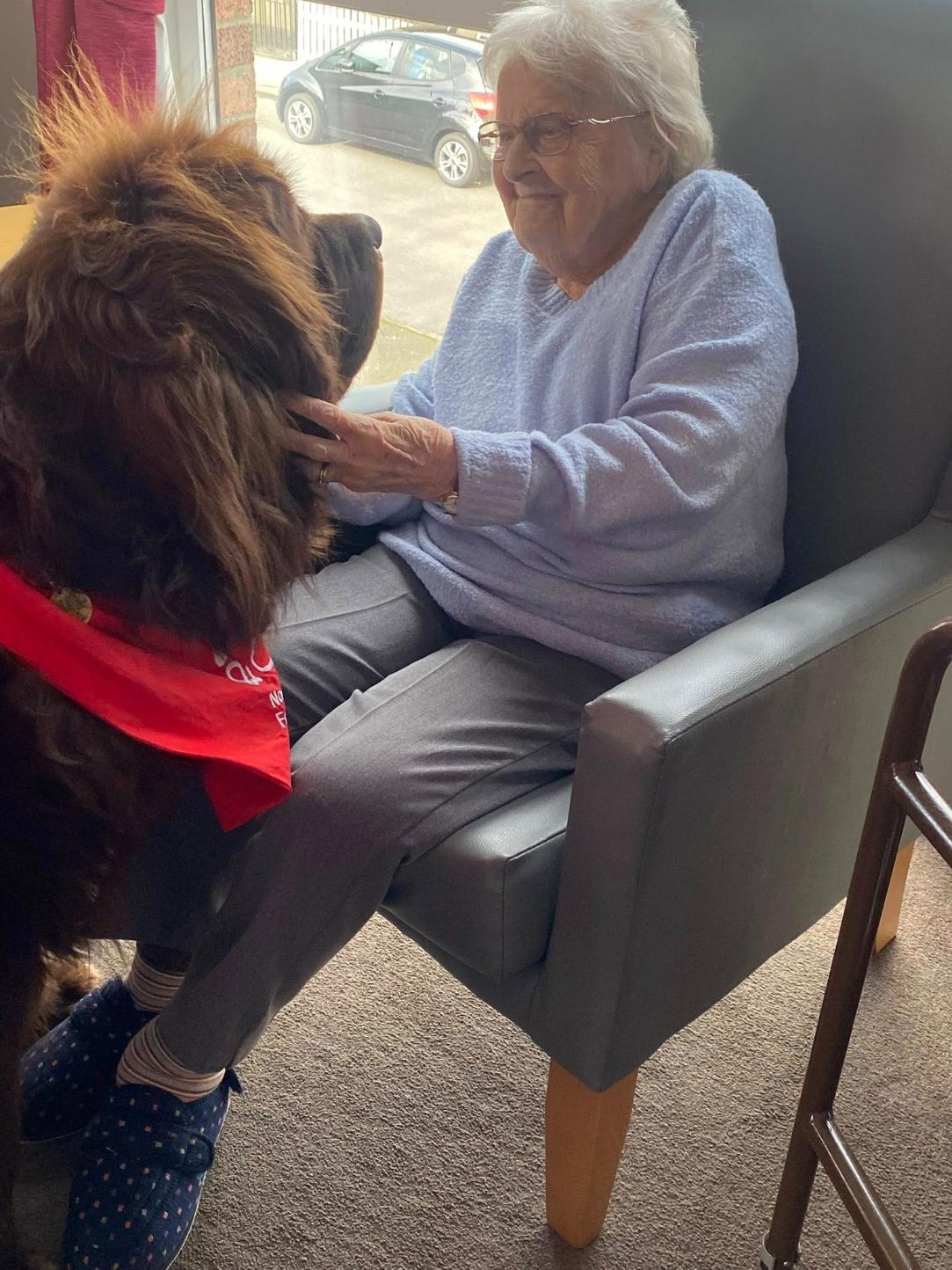
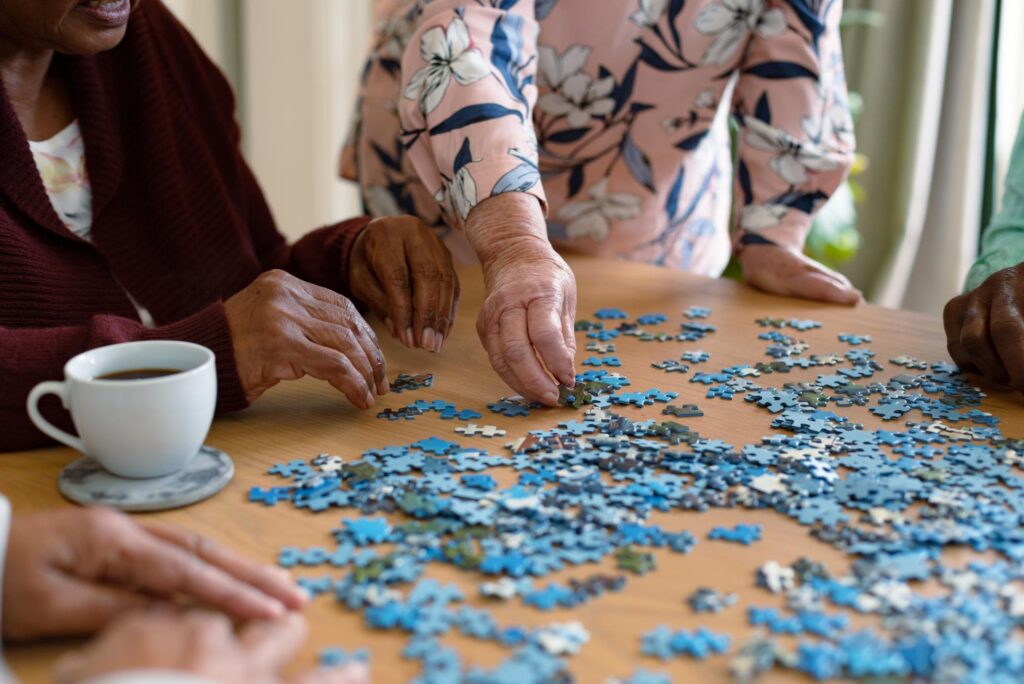
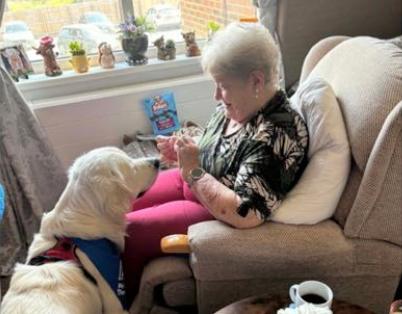
Most residential care homes will offer a range of facilities and activities to keep life engaging and stimulating. Activities can include gentle exercise, creative outlets, games and puzzles, musical entertainment or engaging therapies such as pet therapy or sensory experiences. Great residential care homes should encourage independence wherever possible, with care assistants being careful not to intervene unnecessarily.
Each residents’ lifestyle and care should be built around their preferences and choices, as dictated by their bespoke care plan created in collaboration with the resident and their family before moving in.
Nursing Care
Many people get confused about the difference between residential and nursing care, but the distinction is actually quite simple. Nursing care offers everything included in residential care with the addition of round-the-clock professional, clinical support. This makes nursing care most suitable for those with disabilities or long term health conditions which require ongoing monitoring, specialist knowledge or more complex treatment.
Any nursing home (or care home offering nursing care) must have at least one registered nurse on-site 24-hours a day to identify symptoms and changes to residents’ conditions. Nurses will either treat residents in the home or recognise when they need to call for a GP or other healthcare specialist. Many care homes feature nurse-call systems in each bedroom, offering the ultimate peace of mind for residents and their families.
Despite needing extra care, nursing care residents can enjoy the same autonomy and lifestyle as those receiving residential care. Care home staff are on-hand at all times to encourage confidence, independence and participation in activities, most of which can be adapted to the abilities of each resident.
Dementia Care
Dementia is the umbrella term for over 100 types of progressive conditions that affect the brain, and can therefore affect every person differently. Because of this, care must be tailored for each individual by care staff that are highly-trained in managing symptoms of dementia.
In the earlier stages of dementia, a person may only require residential dementia care. However, as their symptoms progress or if they develop any other medical conditions, that may also require the clinical support that nursing care provides. In any scenario, dementia care aims to continue a person’s familiar routines as much as possible, in the safe environment of a care home.
As with other types of care, dementia care utilises bespoke care plans to ensure that support is delivered with respect and dignity at all times, while promoting independence and individuality wherever possible. Care staff receive regular training to provide the best possible quality of life for people living with dementia, as well as offer emotional support for residents and their loved ones.
Dementia-Friendly Care Homes
Dementia-friendly settings are often purpose-built to feature wide corridors, flat floors, bright and open spaces, black-out curtains, distraction-free areas and quiet zones. They may also include calming features such as sensory spaces and secure gardens that are safe and easy to navigate independently.
Activities are also adapted or specifically organised with people living with dementia in mind. These can include art and music for self-expression, sensory experiences or reminiscence sessions.

Palliative Care
Similar to end-of-life care, palliative care is a type of support that focuses on making care home residents as comfortable as possible during the final stages of life. Designed for those facing serious illness or life-limiting conditions, palliative care provides dignity, respect and emotional support for residents and their loved ones during this difficult time.
Rather than curative treatments, palliative care is a type of holistic support that aims to enhance comfort and manage pain or other symptoms a resident may be experiencing. This type of care also involves emotional support for residents and loved ones, and sometimes even practical help such as will planning.
Respite Care
Respite care is a short-term care option that can last for a few weeks to months. There are many reasons a family may consider respite care; for example, it is often used to give a person’s regular carer a much-needed break from their caring duties. The regular or family carer can use the time to tend to personal matters, go on holiday or simply rest and recharge with the reassurance that their loved one is in the safe hands of care home professionals.
Short-term nursing care is particularly helpful for those who have been discharged from a hospital after an illness or injury, but are not ready to return home yet.
In a care home, short-term residents benefit from the same personalised care plans and range of facilities that permanent residents enjoy. Respite care guests are encouraged to make the most of the social opportunities and engaging activities that a care home offers.
Dual Registered Care Homes & Continuum of Care
A care home that offers multiple types of care under one roof is called a dual-registered care home. This may be in different units or in mixed-living communities, where residents socialise and mingle with individuals receiving different types of care.
Dual-registered care homes are particularly favourable due to the continuum of care they offer. This means that if a person’s care needs increase, they can stay in the same home they have already settled into, avoiding a stressful move at an already potentially difficult time. Comprehensive and personalised care plans also ensure that care is seamless, whether moving between care types in the same care home, or visiting GPs or other healthcare providers.
Our Private Care Home in Northumberland
Here at Hillside Lodge Care Home in Berwick-upon-Tweed, we are proud to offer the highest standards of residential, nursing, dementia, palliative and respite care. In our cosy seaside home, our exceptional care is combined with a fulfilling lifestyle and warm sense of community. If you’re looking for your ideal care home, we would love to welcome you and your loved ones for a tour of Hillside Lodge. Our friendly team can’t wait to meet you and discuss what you’re looking for in a care home.